
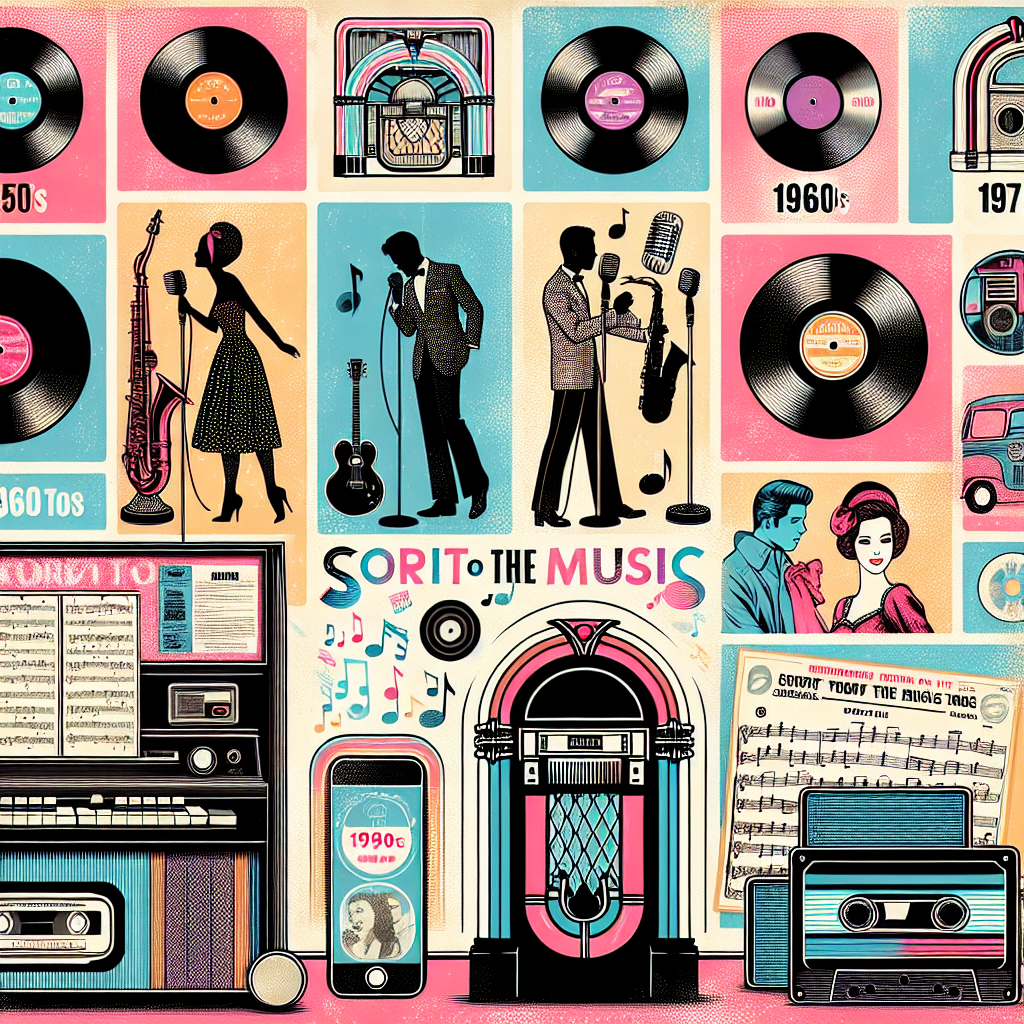
Rock ‘n’ roll music has always been a powerful force in shaping culture and society. From its roots in the 1950s to its peak in the 1960s and 70s, rock ‘n’ roll has evolved and influenced generations of music lovers around the world.
During the 1950s, rock ‘n’ roll emerged as a rebellious and energetic genre that captured the hearts of young people everywhere. Artists like Elvis Presley, Chuck Berry, and Little Richard brought a new sound to the airwaves, blending elements of rhythm and blues with country and western music. This fusion of styles created a unique sound that resonated with teenagers who were looking for something different from the mainstream music of the time.
As rock ‘n’ roll continued to grow in popularity throughout the 1960s, it became more than just a genre of music – it became a cultural movement. The music reflected the changing attitudes and values of young people during this tumultuous time in history. Rock ‘n’ roll became a voice for social change, with artists like Bob Dylan and The Beatles using their platform to speak out against war, injustice, and inequality.
Politicians and other authority figures often viewed rock ‘n’ roll as dangerous or subversive, fearing its influence on impressionable young minds. However, this only fueled its popularity among rebellious youth who saw rock ‘n’ roll as a form of expression and liberation.
Alongside its cultural impact, rock ‘n’ roll also had a significant influence on fashion trends of the time. Artists like Jimi Hendrix and Janis Joplin pushed boundaries with their bold style choices, inspiring fans to embrace individuality and self-expression through clothing and accessories.
Technological advancements also played a role in shaping the evolution of rock ‘n’ roll during this era. The invention of electric guitars, amplifiers, and recording equipment allowed artists to experiment with new sounds and techniques, leading to groundbreaking innovations in music production.
Looking back at the music of the 50s, 60s, and 70s, it’s clear that rock ‘n’ roll had a lasting impact on both music history and popular culture. Its influence can still be felt today in modern genres like pop, hip-hop, and alternative rock.
Despite facing criticism from some quarters, rock ‘n’ roll persevered as a symbol of freedom, creativity, and rebellion. It continues to inspire musicians and fans alike to push boundaries and challenge societal norms through their art.
In conclusion, the evolution of rock ‘n’ roll from its humble beginnings in the 1950s to its heyday in the 1960s and 70s is a testament to the enduring power of music as a force for change. As we look back at this transformative era in music history, we can appreciate how rock ‘n’ roll shaped not only our musical landscape but also our cultural identity as individuals united by our love for great tunes.
Get involved!
Comments