
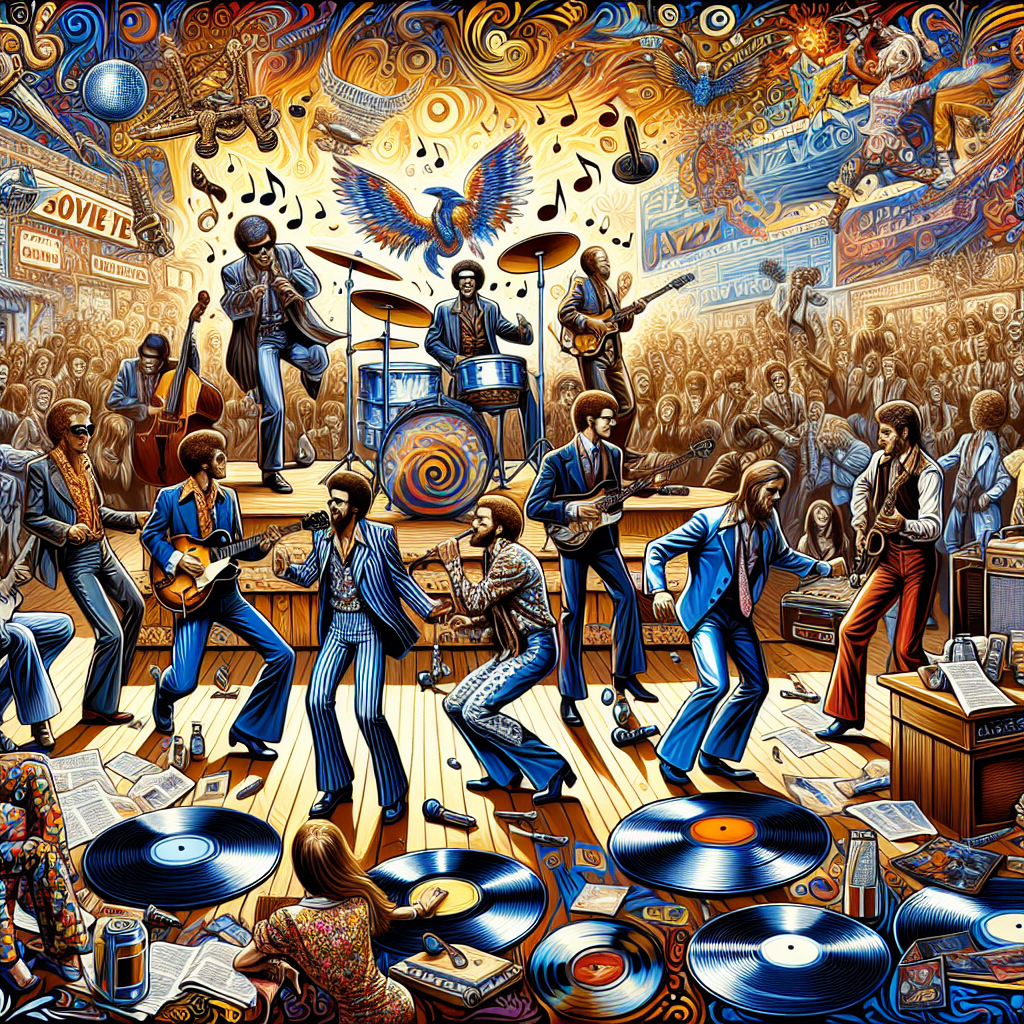
Rock ‘n’ roll is a genre of music that has had a profound impact on culture, politics, fashion, and technology throughout the decades. From its humble beginnings in the 1950s to its peak in the 1960s and 70s, rock ‘n’ roll has evolved and changed in many ways.
The 1950s: The Birth of Rock ‘n’ Roll
The 1950s saw the birth of rock ‘n’ roll with artists like Elvis Presley, Chuck Berry, and Little Richard paving the way for future generations. This era was characterized by upbeat rhythms, catchy melodies, and rebellious lyrics that spoke to the youth of America.
Politicians at the time were wary of rock ‘n’ roll, seeing it as a threat to traditional values and morals. However, this only fueled its popularity among teenagers who saw it as a form of self-expression and rebellion against authority.
In terms of fashion, rock ‘n’ roll brought about a new style that was edgy and daring. Leather jackets, jeans, and greased-back hair became synonymous with the genre, reflecting its rebellious spirit.
Technology also played a role in the evolution of rock ‘n’ roll in the 1950s. The invention of the electric guitar revolutionized the sound of music, allowing artists to create new and innovative sounds that had never been heard before.
The 1960s: The Golden Age of Rock ‘n’ Roll
The 1960s are often referred to as the golden age of rock ‘n’ roll with bands like The Beatles, The Rolling Stones, and Led Zeppelin dominating the charts. This era saw an explosion of creativity and experimentation in music that pushed boundaries and challenged societal norms.
Culture in the 1960s was heavily influenced by rock ‘n’ roll with themes of peace, love, and rebellion permeating through society. Artists used their platform to speak out against war, racism, and social injustice, making rock ‘n’ roll not just a genre of music but a movement for change.
Politicians began to see the power of rock ‘n’ roll in influencing young people and started to embrace it as a way to connect with voters. Bands were invited to play at political rallies and events, bridging the gap between music and politics.
Fashion in the 1960s also reflected the changing times with psychedelic patterns, bell-bottom pants, fringe vests, and tie-dye shirts becoming popular among fans of rock ‘n’ roll. The era was all about self-expression and individuality through clothing choices.
The 1970s: Rock ‘n’ Roll Reaches New Heights
The 1970s saw rock ‘n’ roll reach new heights with bands like Queen, Pink Floyd, and AC/DC taking center stage. This era was characterized by stadium tours, elaborate stage productions, and larger-than-life performances that solidified rock ‘n’ roll as a global phenomenon.
Technology continued to play a significant role in shaping the sound of rock ‘n’ roll in the 1970s with advancements in recording equipment allowing for more complex arrangements and production techniques. Artists experimented with synthesizers, drum machines, and other electronic instruments to create unique sounds that set them apart from their predecessors.
Culture in the 1970s was heavily influenced by rock ‘n’ roll with themes of excessiveness, hedonism,and rebellion prevalent throughout society. Bands like Led Zeppelin embodied this lifestyle with their wild partiesand extravagant lifestyles becoming synonymous with rock stars.
Fashion inthe 1970swas all about glamorand extravagancewith artists sporting sequined jumpsuits,lavish furs,and platform shoes on stage.The era was all about pushing boundariesand making bold statements through clothingchoices that reflectedthe flamboyant natureofrock’n’rollmusic.
Get involved!
Comments