
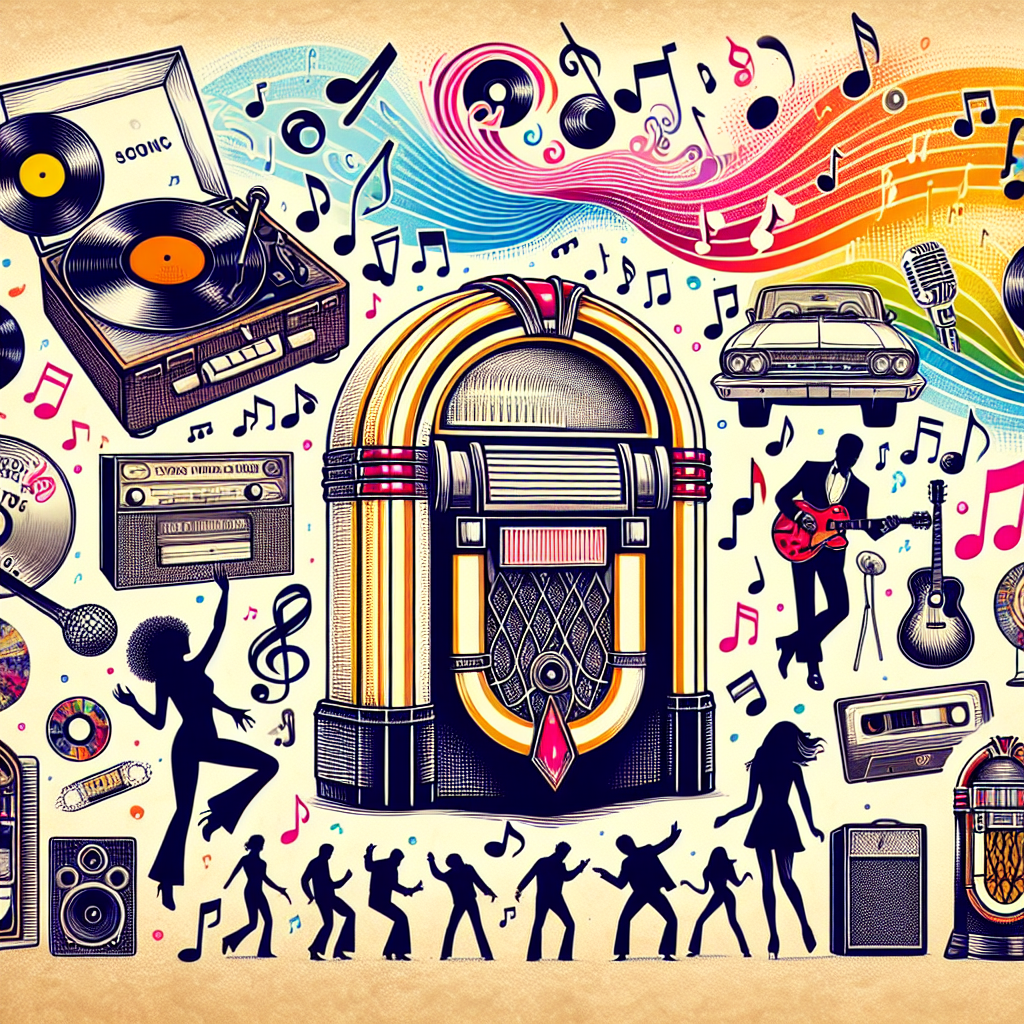
When we think of the 50’s, 60’s, and 70’s, many of us are transported back to a time of poodle skirts, bell-bottoms, and disco balls. But beyond the iconic fashion trends of these decades lies a rich tapestry of music that reflects the diverse cultural landscape of the time.
During this era, music was not just a form of entertainment – it was a reflection of the political and social climate. From doo-wop to disco, artists used their platform to address important issues such as civil rights, war, and gender equality. Songs like “Respect” by Aretha Franklin and “Blowin’ in the Wind” by Bob Dylan became anthems for social change.
Politicians also recognized the power of music in shaping public opinion. John F. Kennedy famously invited artists like Frank Sinatra to perform at his inauguration, using their star power to connect with younger voters. Similarly, Richard Nixon utilized country music to appeal to working-class Americans during his campaign.
But music wasn’t just about politics – it was also about culture. The rise of rock ‘n’ roll in the 50’s brought together black and white audiences in a way that had never been seen before. Artists like Chuck Berry and Little Richard broke down racial barriers through their music, paving the way for future generations of musicians.
As we moved into the 60’s and 70’s, new genres began to emerge that pushed boundaries and challenged societal norms. Psychedelic rock bands like The Beatles experimented with sound and lyrics, while Motown artists like The Supremes brought soul music to the mainstream.
Technology played a crucial role in shaping the sound of music during this time. The invention of the electric guitar revolutionized rock ‘n’ roll, while advancements in recording technology allowed artists to experiment with new sounds and effects. This era saw the birth of iconic albums like Sgt. Pepper’s Lonely Hearts Club Band and Dark Side of the Moon that pushed the boundaries of what was possible in music.
And let’s not forget about fashion – who could forget the bell-bottoms, platform shoes, and afros that defined this era? Music and fashion were intrinsically linked during this time, with artists using their style as a form of self-expression. Icons like David Bowie and Cher became known as much for their outlandish outfits as they did for their music.
Looking back on this era from our modern perspective, it’s clear that the diversity of music from the 50’s, 60’s, and 70’s was truly remarkable. From doo-wop harmonies to disco beats, each genre offered something unique that spoke to different audiences.
So next time you put on your favorite oldies playlist or dust off your vinyl collection, take a moment to appreciate the incredible variety of sounds and styles that defined this golden age of music. Whether you’re grooving to The Temptations or getting down on the dance floor to Donna Summer, remember that each song is a snapshot of a moment in time when music truly had the power to change the world.
Get involved!
Comments