
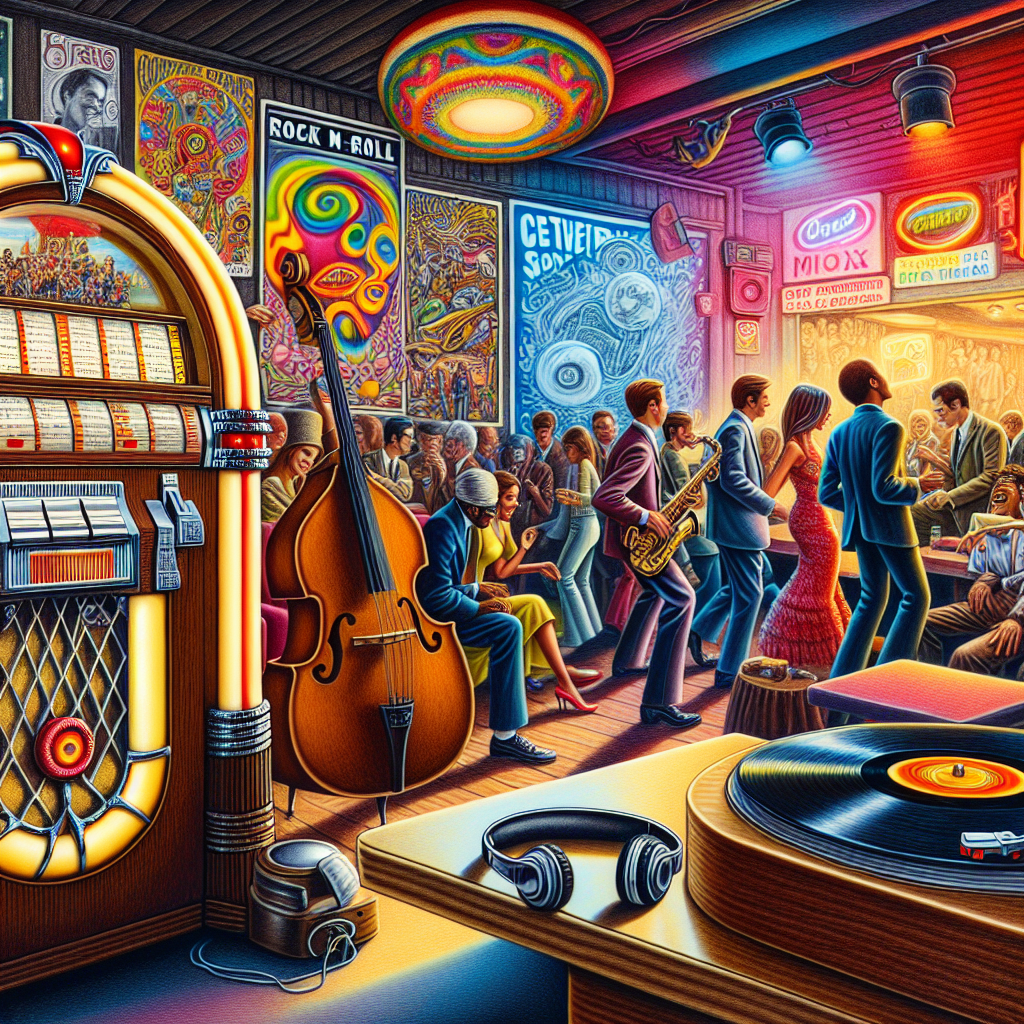
During the 1960s, a wave of social and political change swept through America, and one of the most powerful tools for expressing dissent and inspiring action was music. Protest songs became anthems for a generation seeking to challenge the status quo and create a more just society. From folk to rock to soul, musicians used their voices and instruments to speak truth to power and shape the culture of the decade.
Music has always been a powerful force for cultural change, but in the 60s it reached new heights as artists like Bob Dylan, Joan Baez, Pete Seeger, and Nina Simone used their platforms to address issues like civil rights, war, poverty, and environmentalism. These songs not only reflected the struggles of the time but also inspired people to take action and fight for a better world.
Politicians and other leaders were often quick to dismiss protest songs as mere noise or propaganda, but they underestimated the power of music to unite people and amplify their voices. Songs like “Blowin’ in the Wind” by Bob Dylan or “We Shall Overcome” sung by civil rights activists became rallying cries for movements that would eventually bring about significant social change.
Protest songs also had a profound impact on fashion during the 60s. Musicians like Jimi Hendrix and Janis Joplin not only pushed boundaries with their music but also with their style. Their bold fashion choices challenged traditional norms and inspired a new generation of young people to express themselves through clothing in ways that were previously unthinkable.
Technology played a crucial role in spreading protest songs throughout the 60s. The rise of radio and television allowed these messages to reach millions of people across the country, sparking conversations and debates about important issues that might have otherwise gone unnoticed. The advent of vinyl records also made it easier for fans to listen to their favorite protest songs over and over again, solidifying their place in popular culture.
Looking back on this era of revolutionary voices, it’s clear that protest songs played a vital role in shaping the culture of the 60s. They gave voice to marginalized communities, challenged authority figures, inspired activism, and ultimately helped pave the way for progress on important social issues.
As we continue to grapple with our own societal challenges today, we can look back on this period as a source of inspiration. Protest songs remind us that music has the power to bring people together, spark conversations, and drive meaningful change. They serve as a reminder that even in times of darkness, there is always hope for a brighter future.
So let’s celebrate the legacy of revolutionary voices from the 60s and continue to use music as a tool for cultural transformation. Let’s amplify our own voices through song and strive towards creating a more just and equitable society for all.
Get involved!
Comments