
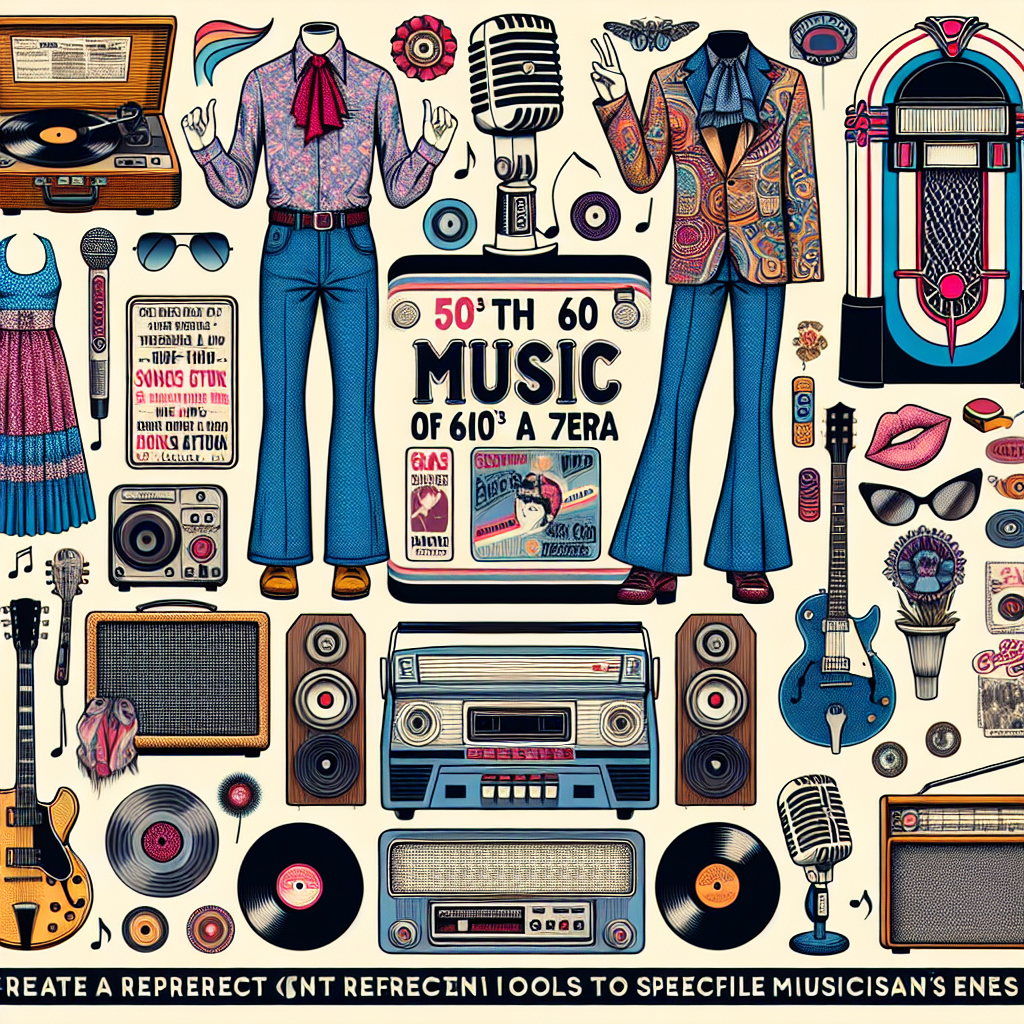
During the 1960s and 70s, the Civil Rights Movement in the United States was at its peak. This era saw a surge of revolutionary songs that became anthems for the movement, reflecting the struggles and triumphs of African Americans fighting for equality and justice.
Music has always been a powerful tool for social change, and during this time, it played a crucial role in uniting people and inspiring them to take action. Artists like Nina Simone, Sam Cooke, and Bob Dylan used their music to speak out against racism and discrimination, creating songs that became rallying cries for the movement.
These revolutionary songs not only captured the spirit of the times but also helped to shape the culture of the era. They were played at rallies, marches, and protests, fueling the passion and determination of those fighting for civil rights. The lyrics spoke to the struggles of African Americans in a way that resonated with people across race and class lines.
Politicians also took notice of the power of music during this time. Leaders like Martin Luther King Jr. recognized that music had the ability to mobilize people in ways that speeches alone could not. Songs like “We Shall Overcome” became synonymous with the Civil Rights Movement, embodying its message of hope and resilience.
In addition to its political impact, music from this era also influenced fashion trends. The Afro hairstyle became a symbol of black pride and resistance, inspired by musicians like James Brown and Sly Stone who embraced their natural hair on stage. The vibrant colors and bold patterns of African-inspired clothing also gained popularity during this time, reflecting a growing interest in cultural identity.
Technological advancements also played a role in shaping the sound of revolutionary songs from this era. The rise of electric instruments allowed artists to experiment with new sounds and styles, leading to innovative blends of jazz, blues, gospel, and rock music. This fusion created a unique sound that captured the energy and passion of the Civil Rights Movement.
Overall, revolutionary songs from the 60s and 70s continue to hold significance today as symbols of resistance and empowerment. They remind us of the power of music to inspire change and unite people in pursuit of justice. As we look back on this era, we can appreciate how these songs helped to shape our culture and pave the way for progress.
Get involved!
Comments