
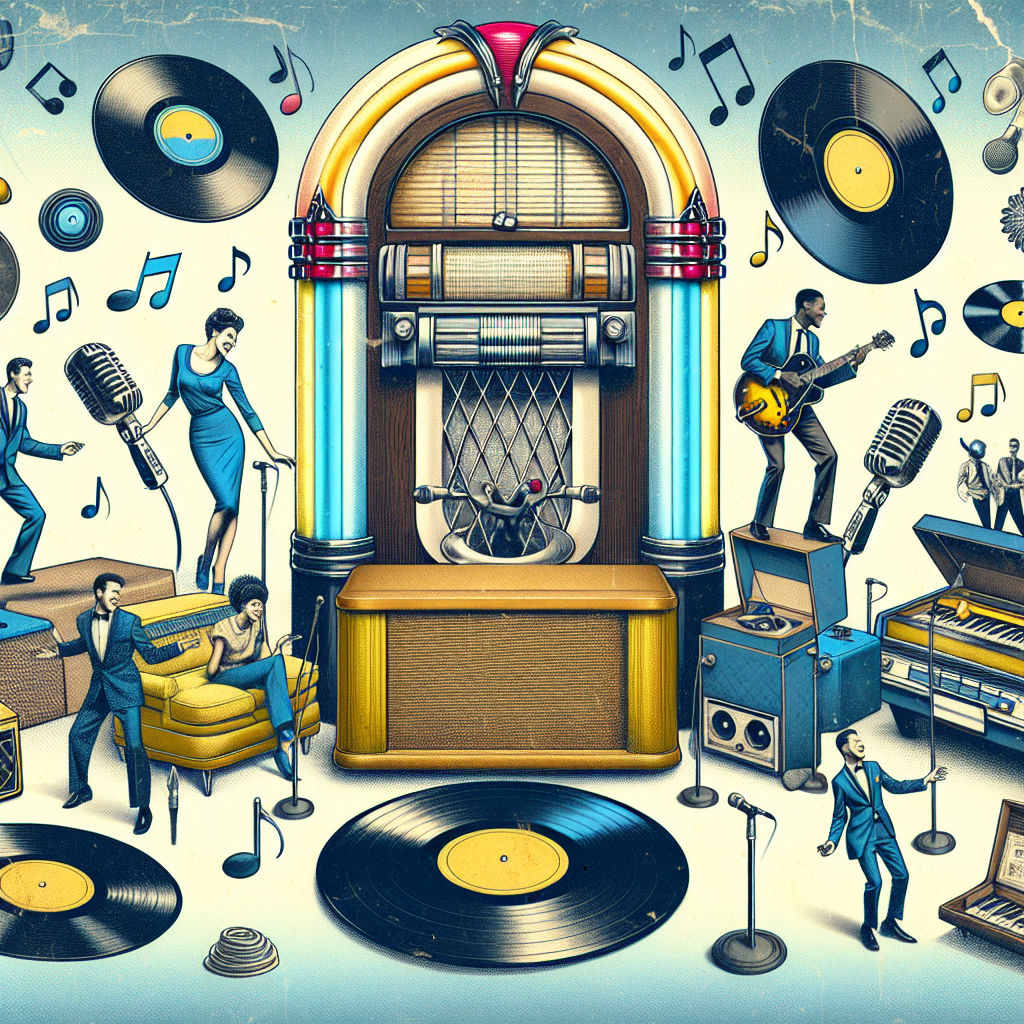
Rock ‘n’ roll has been a powerful force in shaping culture, politics, fashion, and technology throughout the 1950s, 60s, and 70s. The evolution of this genre of music has had a lasting impact on society and continues to influence artists and listeners today.
The 1950s: Birth of Rock ‘n’ Roll
In the 1950s, rock ‘n’ roll emerged as a new form of music that combined elements of rhythm and blues, country, and gospel. Artists like Elvis Presley, Chuck Berry, and Little Richard became household names with their energetic performances and rebellious attitudes. This era saw the rise of youth culture and the beginning of a shift in societal norms.
Culture:
Rock ‘n’ roll music provided an outlet for young people to express themselves and rebel against traditional values. It became a symbol of freedom and self-expression for teenagers who were looking to break away from the constraints of their parents’ generation.
Politicians:
Politicians saw rock ‘n’ roll as a threat to moral values and tried to censor its lyrics and performances. However, the popularity of this music continued to grow as artists pushed boundaries and challenged authority figures.
Fashion:
The fashion trends of the 1950s reflected the rebellious spirit of rock ‘n’ roll with leather jackets, jeans, and slicked-back hair becoming popular among young people. This style became synonymous with the genre and continues to be associated with rock music today.
Technology:
The introduction of electric guitars and amplifiers revolutionized the sound of rock ‘n’ roll in the 1950s. Artists were able to create louder and more dynamic performances that captivated audiences around the world.
The 1960s: The Golden Age of Rock
The 1960s marked a period of social change and political upheaval that was reflected in the music of the time. Bands like The Beatles, The Rolling Stones, and Jimi Hendrix dominated the charts with their innovative soundscapes and thought-provoking lyrics.
Culture:
Rock ‘n’ roll became a driving force behind social movements like civil rights, feminism, and anti-war protests. Artists used their platform to speak out against injustice and inspire change in society.
Politicians:
Politicians continued to criticize rock ‘n’ roll for its subversive messages but were unable to stop its growing popularity. The music became a rallying cry for young people who were disillusioned with government policies.
Fashion:
The fashion trends of the 1960s reflected the psychedelic sounds of rock music with vibrant colors, bell-bottom pants, fringe jackets, and tie-dye shirts becoming popular among concert-goers. This era saw an explosion of creativity in both music and fashion that continues to influence artists today.
Technology:
Advancements in recording technology allowed artists to experiment with new sounds and techniques in the studio. The use of effects pedals, synthesizers, and multi-track recording changed the way rock ‘n’ roll was created and produced.
The 1970s: Rock Goes Mainstream
In the 1970s, rock ‘n’ roll reached new heights of commercial success with stadium tours, blockbuster albums, and larger-than-life personalities dominating the music industry. Bands like Led Zeppelin, Pink Floyd, Queen, and AC/DC set new standards for performance artistry.
Culture:
Rock ‘n’ roll became mainstream entertainment in the 1970s with radio stations playing hits around-the-clock and record labels investing heavily in marketing campaigns. This era saw an explosion in album sales as fans clamored for new releases from their favorite bands.
Politicians:
Despite its commercial success, rock ‘n’ roll continued to face criticism from politicians who viewed it as decadent or corrupting youth culture. However, the genre’s influence could not be denied as it continued to shape popular culture around the world.
Fashion:
The fashion trends of the 1970 ‘s embraced a glamorous aesthetic with sequined jumpsuits, platform shoes, and feather boas becoming staples for performers on stage.The visual spectacle of rock concerts mirrored the excesses of the decade, with elaborate lighting rigs, pyrotechnics, and intricate stage sets creating immersive experiences for audiences.
Technology:
Advancements in sound reinforcement technology allowed bands to play larger venues without sacrificing audio quality.Concertgoers could now experience live performances on a grand scale, with massive speaker arrays delivering crystal – clear sound throughout arenas.Rock concerts became multimedia spectacles, incorporating video screens, light shows, and special effects into their productions.
Conclusion
The evolution of rock ‘n’ roll has been a journey through cultural shifts, political upheavals, fashion revolutions, and technological advancements.This genre of music has transcended boundaries and inspired generations of artists and listeners.It continues to evolve today, with new bands pushing boundaries and redefining what it means to be a rocker.Whether you’re a fan of classic hits from decades past or are discovering emerging talents on streaming platforms, rock’n’ roll remains at the forefront of musical innovation.Let’s keep rocking out!
Get involved!
Comments