
Woodstock and the music festivals of the 60’s and 70’s hold a special place in history, not just for their incredible musical performances, but also for their impact on culture, fashion, technology, and even politics. These events were more than just concerts – they were gatherings of like-minded individuals coming together to celebrate peace, love, and music.
One of the most significant aspects of these festivals was the music itself. Iconic artists like Jimi Hendrix, Janis Joplin, The Who, and Crosby, Stills, Nash & Young graced the stage with legendary performances that have stood the test of time. Their music not only entertained the crowds but also served as a soundtrack for a generation looking to break free from societal norms and express themselves in new and creative ways.
But it wasn’t just about the music – these festivals also played a crucial role in shaping culture during this time period. The hippie movement was in full swing, with attendees embracing ideals of peace, love, and unity. People came together from all walks of life to share in this communal experience, forming bonds that would last a lifetime.
Politicians at the time were often critical of these gatherings, viewing them as breeding grounds for anti-establishment sentiment. However, what they failed to see was that these festivals were actually promoting unity and understanding among people from diverse backgrounds. The message of love and acceptance that permeated these events was powerful enough to transcend political divides and bring people together in a way that had never been seen before.
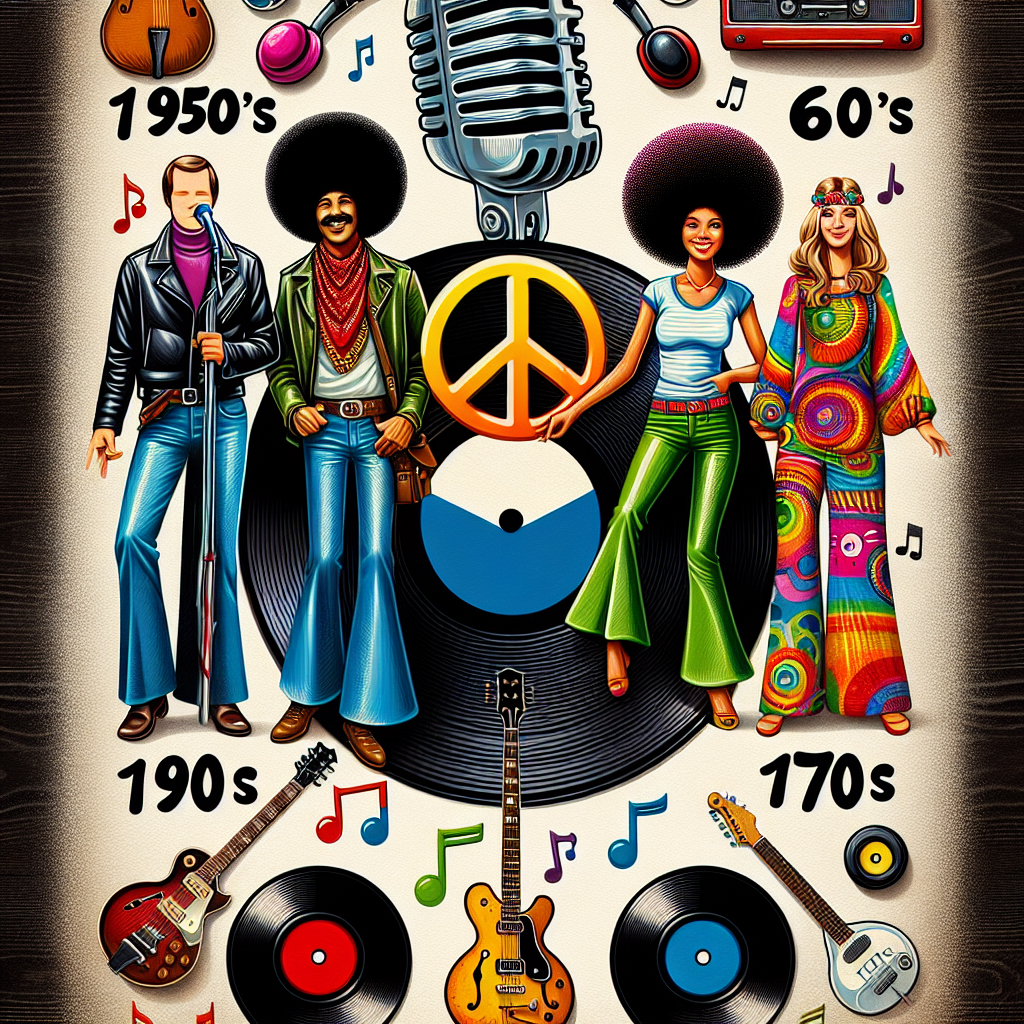
Additionally, fashion played a significant role in defining the aesthetic of these festivals. From flowing tie-dye shirts to bell-bottom jeans to fringe vests, attendees embraced a bohemian style that reflected their free-spirited attitudes. This laid-back approach to fashion has since become synonymous with the era and continues to influence trends today.
Furthermore, technology played a key role in making these festivals possible on such a large scale. Advances in sound equipment allowed for massive crowds to enjoy high-quality audio experiences, while innovations in lighting design created immersive visual displays that added another layer of excitement to the performances.
Looking back on Woodstock and other iconic music festivals from this era, it’s clear that their legacy lives on today. The spirit of peace and unity that defined these events continues to inspire people around the world to come together through music and celebrate what makes us all unique yet connected.
In conclusion, Woodstock and other music festivals from the 60’s and 70’s left an indelible mark on history by bringing people together through music, culture, fashion, technology – even politics – in ways that continue to resonate with audiences today. As we look back on these events with nostalgia and admiration for what they represented during such tumultuous times in our history,
Get involved!
Comments