
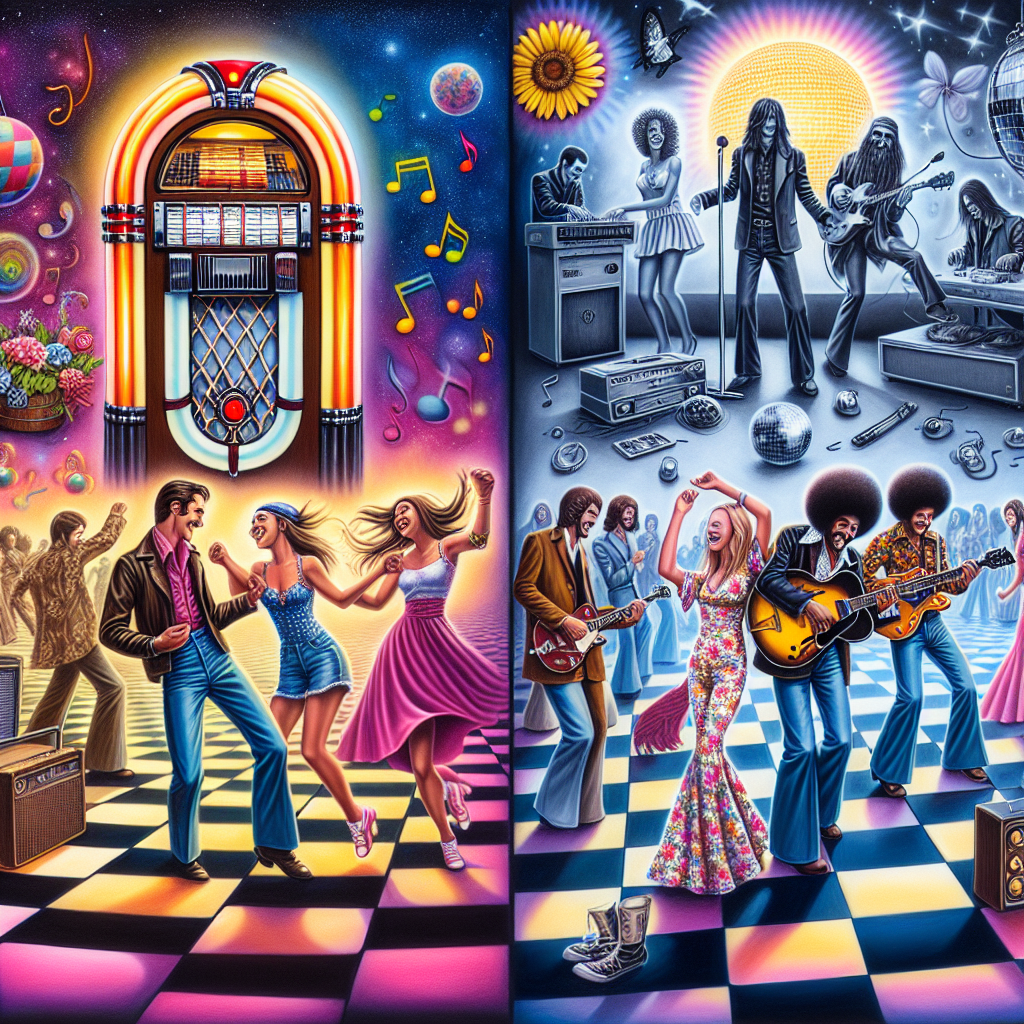
The 1960s and 1970s were a time of immense cultural change and upheaval in the United States. One of the most significant aspects of this era was the rise of music festivals, with Woodstock being perhaps the most iconic example. These festivals brought together thousands of young people to celebrate music, art, and counterculture in a way that had never been seen before.
Music played a central role in these festivals, serving as a unifying force that brought people from all walks of life together. Performers like Jimi Hendrix, Janis Joplin, and The Who captivated audiences with their groundbreaking sound and electrifying stage presence. The music of this era was not just entertainment; it was a reflection of the social and political turmoil that defined the times.
Beyond just the music, these festivals also had a profound impact on fashion and culture. Attendees embraced a bohemian style that rejected mainstream norms in favor of self-expression and individuality. Tie-dye shirts, bell-bottom jeans, and fringe vests became synonymous with the counterculture movement, signaling a rejection of conformity and consumerism.
Politicians at the time viewed these festivals with suspicion, seeing them as hotbeds of rebellion and dissent. However, many festival-goers saw them as spaces where they could come together to express their beliefs and values freely. In this sense, music festivals served as a form of protest against the status quo, challenging societal norms and advocating for change.
Technology also played a crucial role in shaping these festivals. Advances in sound equipment allowed performers to reach larger audiences than ever before, while innovations like portable toilets made it easier for attendees to stay on-site for extended periods. These technological advancements helped to create an immersive experience for festival-goers that went beyond just the music.
Looking back on Woodstock and other festivals from this era, it is clear that their legacy continues to resonate today. The spirit of unity and creativity that defined these events lives on in modern music festivals like Coachella and Bonnaroo, which draw inspiration from their predecessors while adding new elements for contemporary audiences.
In conclusion, the legacy of music festivals from the 1960s and 1970s is one that celebrates diversity, creativity, and social change. These events brought people together through the power of music and art, creating lasting memories that continue to inspire generations to come. As we look towards the future, let us remember the lessons learned from Woodstock and beyond: that when we come together in celebration of our shared humanity, anything is possible.
Get involved!
Comments