
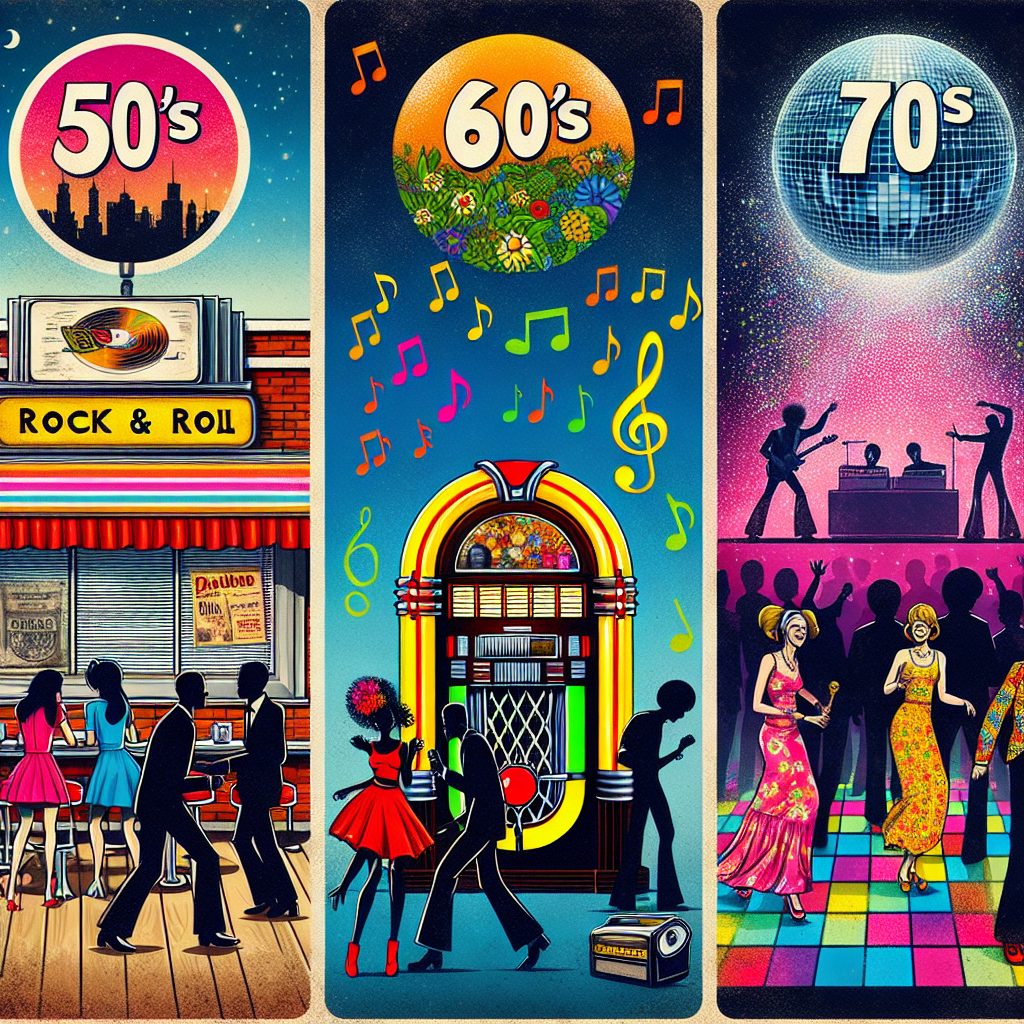
Rock ‘n’ roll has been a driving force in shaping culture and society for decades. From its humble beginnings in the 1950s to its peak popularity in the 1960s and 70s, rock ‘n’ roll music has evolved and adapted to reflect the changing times. Let’s take a look back at the music of these decades and how it influenced not only the music industry but also fashion, technology, and even politics.
The 1950s: The Birth of Rock ‘n’ Roll
The 1950s saw the birth of rock ‘n’ roll with artists like Elvis Presley, Chuck Berry, and Little Richard leading the way. This new style of music was a fusion of rhythm and blues, country, and gospel music that appealed to young people looking for something different from the mainstream pop music of the time.
Rock ‘n’ roll also had a significant impact on fashion with artists like Elvis Presley popularizing leather jackets, pompadour hairstyles, and skinny jeans. The rebellious attitude of rock ‘n’ roll musicians was reflected in their fashion choices, inspiring a generation of young people to rebel against societal norms.
The 1960s: The Golden Age of Rock ‘n’ Roll
The 1960s were considered the golden age of rock ‘n’ roll with bands like The Beatles, The Rolling Stones, and The Who dominating the charts. This decade saw an explosion of creativity in music with artists experimenting with new sounds and pushing boundaries.
Rock ‘n’ roll also played a significant role in politics during this time with songs like Bob Dylan’s “The Times They Are A-Changin'” becoming anthems for social change. Musicians used their platform to speak out against war, racism, and other injustices happening around the world.
The 1970s: Rock ‘n’ Roll Goes Mainstream
In the 1970s, rock ‘n’ roll went mainstream with bands like Led Zeppelin, Pink Floyd, and Queen selling out stadiums around the world. This decade saw a shift towards more elaborate stage productions and larger-than-life performances that would influence future generations of musicians.
Technology also played a significant role in shaping rock ‘n’ roll during this time with advancements in recording equipment allowing for more complex arrangements and production techniques. Artists were able to experiment with new sounds and create groundbreaking albums that are still revered today.
Looking Back at Rock ‘n’ Roll
As we look back at the evolution of rock ‘n’ roll from the 1950s to the 1970s, it’s clear that this genre of music has had a lasting impact on our culture. From influencing fashion trends to sparking political movements, rock ‘n’ roll has been more than just music – it’s been a cultural phenomenon that continues to shape our world today.
So next time you listen to your favorite rock song from these decades, take a moment to appreciate all that went into creating it – from the musicians who wrote and performed it to the fans who embraced it as part of their own identity. Rock on!
Get involved!
Comments