
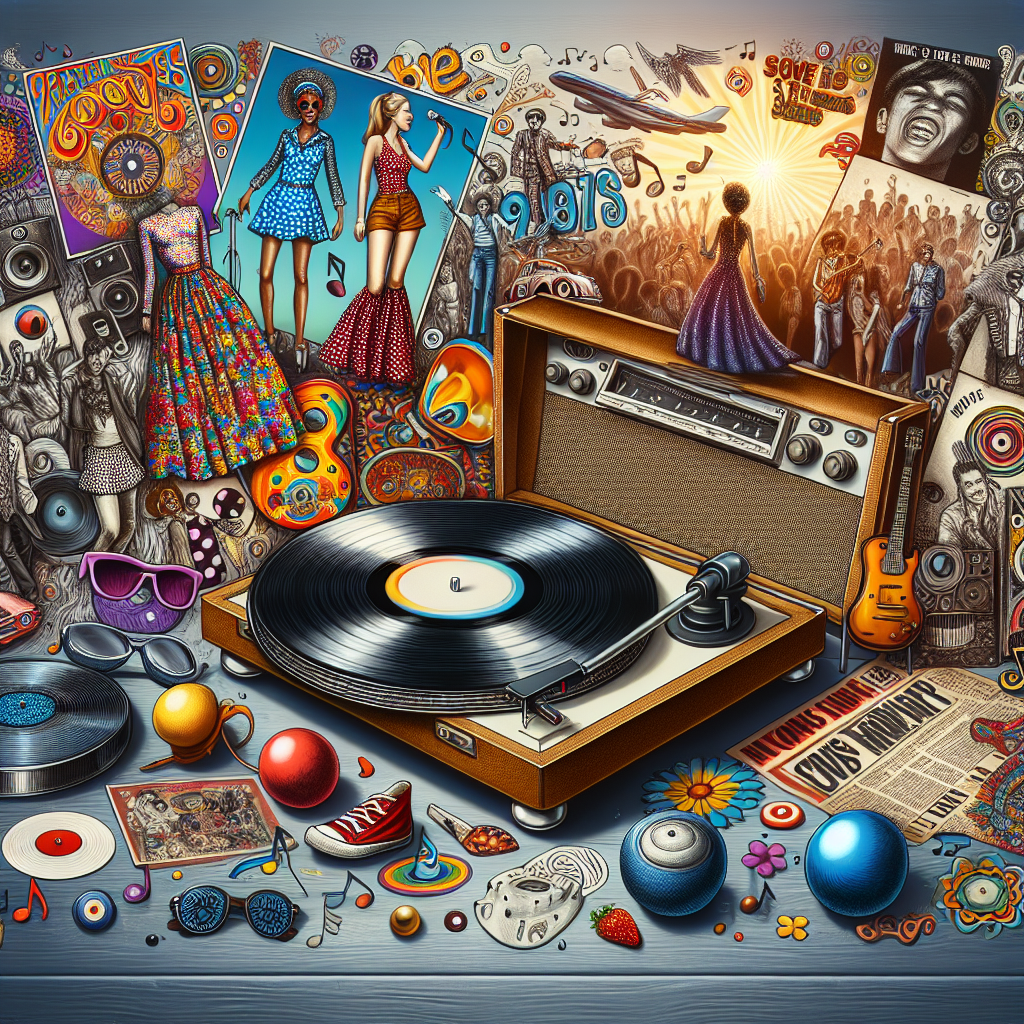
Rock ‘n’ roll has been a driving force in the music industry for decades, shaping not only the sounds we hear but also the culture and society around us. From its humble beginnings in the 1950s to its peak in the 1970s, rock ‘n’ roll has evolved and transformed in ways that have left a lasting impact on generations of music lovers.
One of the key aspects of rock ‘n’ roll is its ability to reflect the social and political climate of the times. In the 1950s, rock ‘n’ roll emerged as a rebellious and energetic response to post-war America. Artists like Elvis Presley and Chuck Berry brought a new sound and energy to music that resonated with young people looking for something different. The music was raw, unapologetic, and full of energy – much like the youth of that era.
As rock ‘n’ roll continued to evolve into the 1960s, it became even more intertwined with social issues and movements. Bands like The Beatles and The Rolling Stones used their platform to speak out against war, racism, and inequality. Their music became anthems for a generation seeking change and pushing back against the status quo.
By the time the 1970s rolled around, rock ‘n’ roll had become a global phenomenon. Bands like Led Zeppelin, Pink Floyd, and Queen were selling out stadiums around the world with their larger-than-life performances and groundbreaking music. The era was marked by experimentation, both musically and culturally, as artists pushed boundaries and explored new sounds.
But it wasn’t just the music that was evolving – fashion played a huge role in shaping the image of rock ‘n’ roll. In the 1950s, artists like Elvis Presley popularized leather jackets and pompadour hairstyles that became synonymous with rebellion. By the 1960s, bands like The Beatles were influencing fashion trends with their mod suits and shaggy haircuts. And by the 1970s, glam rockers like David Bowie were pushing gender boundaries with their flamboyant costumes and makeup.
Technology also played a significant role in shaping rock ‘n’ roll throughout these decades. In the 1950s, artists were limited to recording on analog equipment that often resulted in a raw and gritty sound. But as technology advanced into the 1960s and 70s, artists had access to new tools like synthesizers and multitrack recording that allowed them to create more complex arrangements and experimental sounds.
Looking back at the evolution of rock ‘n’ roll from the 1950s through to the 1970s is truly awe-inspiring. The music not only reflected societal changes but also helped shape them – influencing everything from fashion trends to political movements. Rock ‘n’ roll was more than just a genre of music; it was a cultural force that brought people together, challenged norms, and inspired generations.
As we continue to look back on this iconic era of music history, let’s celebrate all that rock ‘n’ roll has given us – from timeless classics to unforgettable performances – while also recognizing its lasting impact on our culture today.
Get involved!
Comments