
The 1960s was a decade of great change and upheaval in American society. The counterculture movement, which emerged during this time, sought to challenge the status quo and create a more inclusive and progressive society. One of the most iconic events of this era was the Woodstock Music & Art Fair, held in August 1969 in upstate New York.
Woodstock was more than just a music festival – it was a cultural phenomenon that brought together hundreds of thousands of young people who were eager to embrace new ideas and ways of living. The festival featured some of the biggest musical acts of the time, including Jimi Hendrix, Janis Joplin, The Who, and Crosby, Stills, Nash & Young. But it was about more than just the music – it was about creating a sense of community and shared values.
Woodstock became a symbol of the counterculture movement and its ideals of peace, love, and unity. It showed that young people could come together in a spirit of cooperation and mutual respect, regardless of their differences. It also demonstrated the power of music to bring people together and inspire social change.
But Woodstock was just the beginning. In the years that followed, music festivals became an integral part of the counterculture movement. Festivals like Altamont, Isle of Wight, and Monterey Pop continued to showcase groundbreaking musical acts and promote progressive ideas.
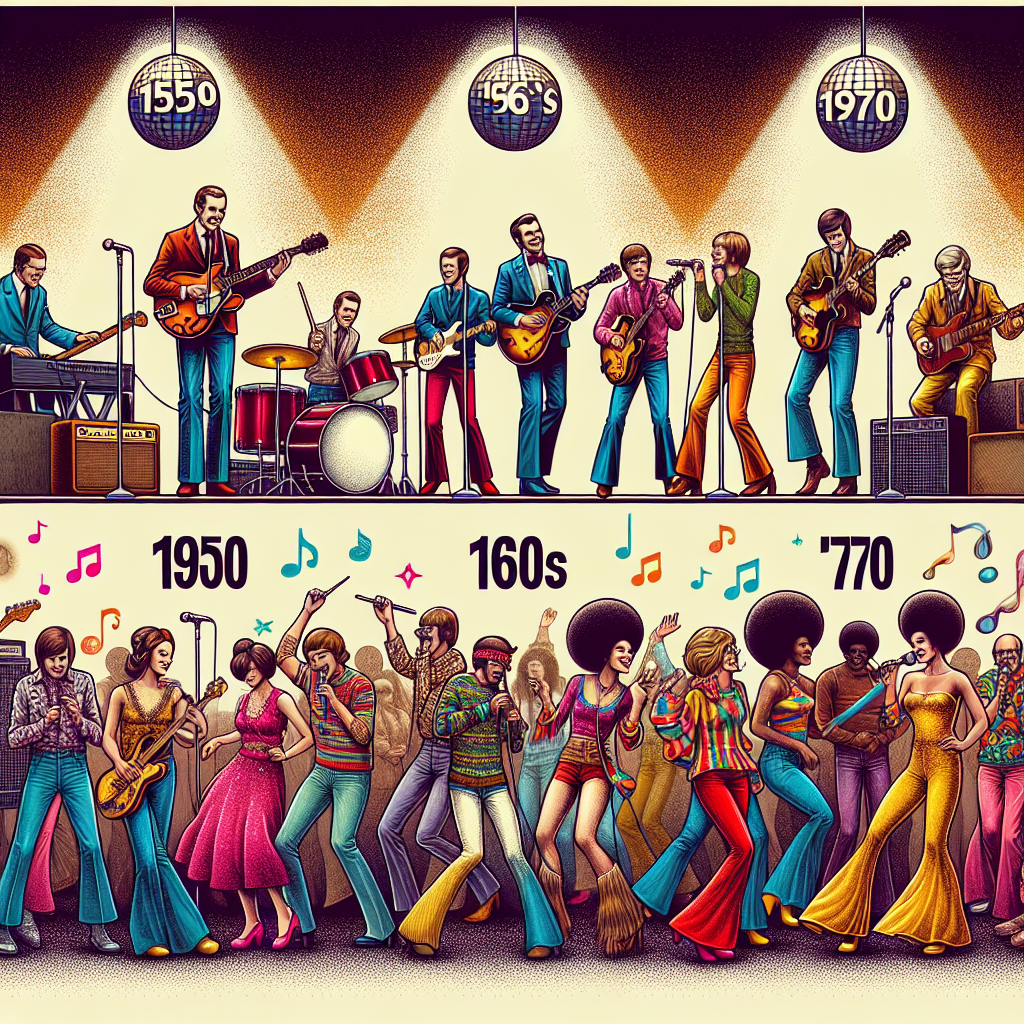
Music festivals also played a role in shaping fashion trends during this time. The hippie aesthetic – characterized by long hair, tie-dye clothing, and fringe jackets – became synonymous with the counterculture movement. Many festival-goers embraced this style as a way to express their rejection of mainstream culture.
Technology also played a key role in shaping the legacy of music festivals in the counterculture movement. Advances in sound equipment allowed for larger crowds to enjoy live performances outdoors. This helped to create an immersive experience for attendees and further solidified music festivals as a cultural phenomenon.
Politicians also took notice of the influence that music festivals had on young people during this time. Many politicians recognized that these events provided an opportunity to connect with voters on a personal level and promote their own agendas. Some even used music festivals as platforms for delivering speeches or connecting with potential supporters.
In conclusion, music festivals like Woodstock played a crucial role in shaping the counterculture movement of the 1960s. They provided a platform for artists to showcase their talents and for attendees to come together in a spirit of unity and cooperation. These events continue to inspire generations of music lovers and serve as reminders of the power that music has to bring about positive social change.
Get involved!
Comments