
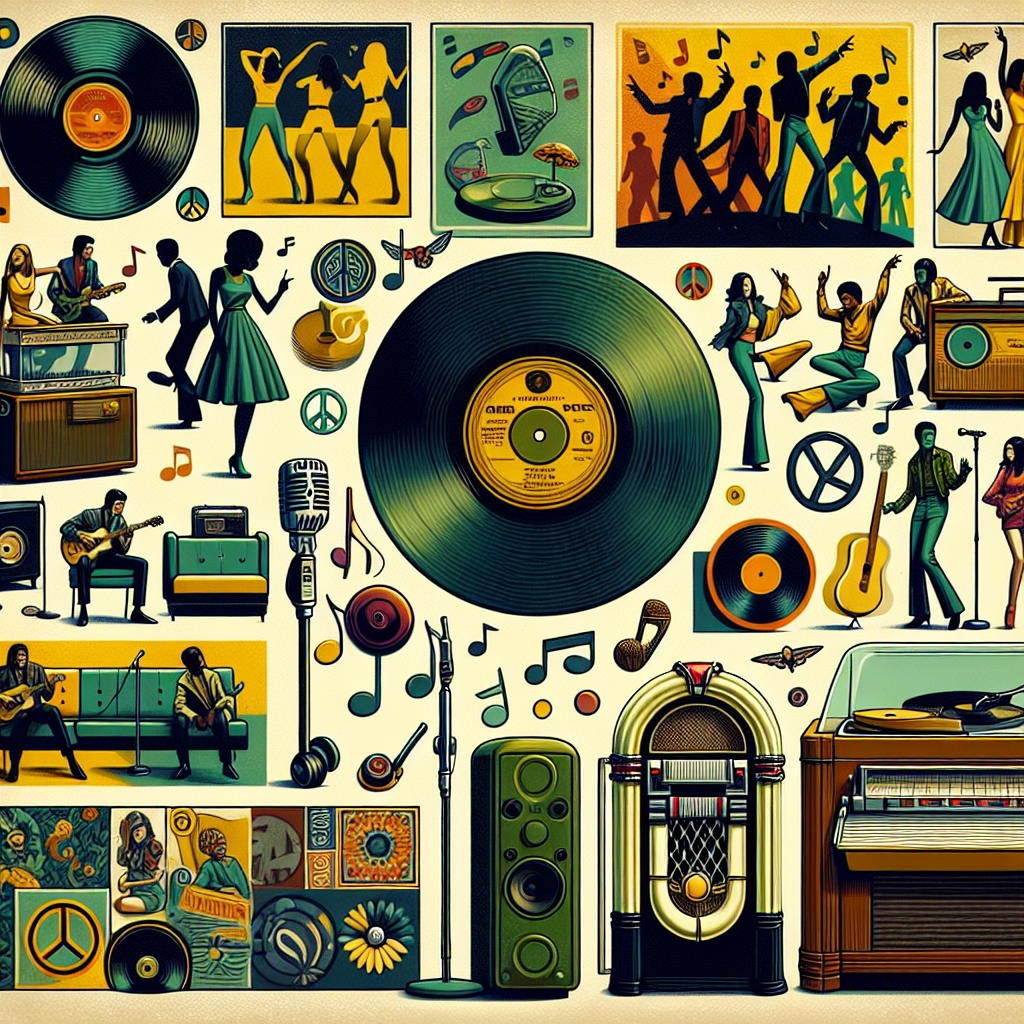
Music has always played a significant role in shaping culture and society. From Motown to Woodstock, the 50’s, 60’s, and 70’s were decades filled with iconic moments that have left a lasting impact on the world of music.
During this time period, music was not just about entertainment; it was a reflection of the social and political climate of the era. Musicians used their platform to address important issues such as civil rights, war, and gender equality. Their songs became anthems for change and inspired generations to come.
One of the most influential movements during this time was Motown. Founded in Detroit in 1959 by Berry Gordy Jr., Motown Records became a powerhouse in the music industry, launching the careers of artists like Marvin Gaye, Stevie Wonder, and The Supremes. The “Motown Sound” combined elements of soul, pop, and R&B, creating a unique sound that captured the hearts of millions.
Another iconic moment in music history was the Woodstock Music & Art Fair held in August 1969. Billed as “An Aquarian Exposition: 3 Days of Peace & Music,” Woodstock brought together over 400,000 people for a weekend of music and love. Performances by legendary artists like Jimi Hendrix, Janis Joplin, and The Who defined a generation and solidified Woodstock as a symbol of counterculture and freedom.
Politicians also played a role in shaping music during this time period. Artists like Bob Dylan and Joan Baez used their platform to protest against war and injustice. Their songs became rallying cries for those seeking change and inspired others to join the fight for equality.
In addition to its cultural impact, music from the 50’s, 60’s, and 70’s also influenced fashion trends. From bell-bottoms to tie-dye shirts, musicians like The Beatles and David Bowie set trends that are still popular today. Their eclectic style mirrored their musical innovation and pushed boundaries in both fashion and music.
Technological advancements also played a crucial role in shaping music during this time period. The invention of the electric guitar revolutionized rock ‘n’ roll while advancements in recording technology allowed artists to experiment with new sounds and techniques.
Overall, the music from the 50’s, 60’s, and 70’s represents a golden age of creativity and innovation. It was a time when musicians were not afraid to push boundaries or challenge societal norms. Their influence can still be felt today in modern music genres like hip-hop, pop, and rock.
As we look back on these iconic moments in music history from Motown to Woodstock, we can’t help but feel grateful for the impact they have had on our culture. They remind us that music is more than just entertainment; it is a powerful force that can inspire change and unite people from all walks of life.
Get involved!
Comments